
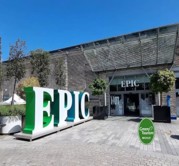
EPIC is an interactive museum in Dublin Docklands that brings the extraordinary stories of Irish emigration to life. In one hour and across 20 interactive galleries, we heard about some of the people who left the island of Ireland and we discovered the journeys, stories and ideas they carried with them – and the impact and contributions they made along the way. Leaving Ireland didn’t mean leaving their Irishness behind.
The acronym EPIC stands for “Every Person Is Connected”.
EPIC Tour Guide
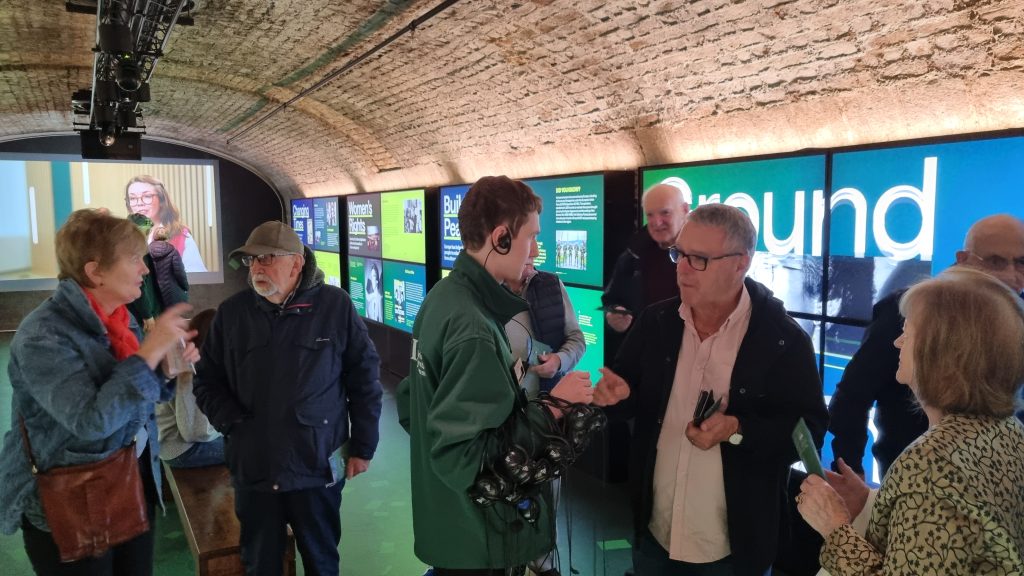
Our tour guide, Mark, welcomed the Laois Association Dublin members to the EPIC Museum. He delivered a dense, fast-moving historical narrative packed with detailed information as he led us from one interactive themed gallery to the next. The EPIC Museum is intentionally designed as a fully digital and an interactive museum.
Souvenir Passports: As visitors to the Museum we each received a physical booklet that charted our route through the migration and themed rooms.
EPIC was founded by Neville Isdell
Mark gave us the history of the Irish Emigration Museum and its founder Neville Isdell who was born in Downpatrick Co. Down in 1943. He left Northern Ireland at the age of 10 with his parents, to live in Zambia. His grandfather was chief engineer at Harland and Wolff and he received an MBE in 1929 for services to shipbuilding. Neville Isdell joined Coca-Cola in 1966 and worked for the company all over the world, going on to become the chairman and CEO of the company. He always believed that there was something unique and special about being Irish and wanted to celebrate the influence Ireland’s emigrants have had on the world.
The EPIC Museum has 20 interactive, themed galleries which are arranged into four main themes: Migration, Motivation, Influence and Diaspora Today.
Theme 1: Migration
The Migration gallery traces 1,500 years of movement of people from Ireland.
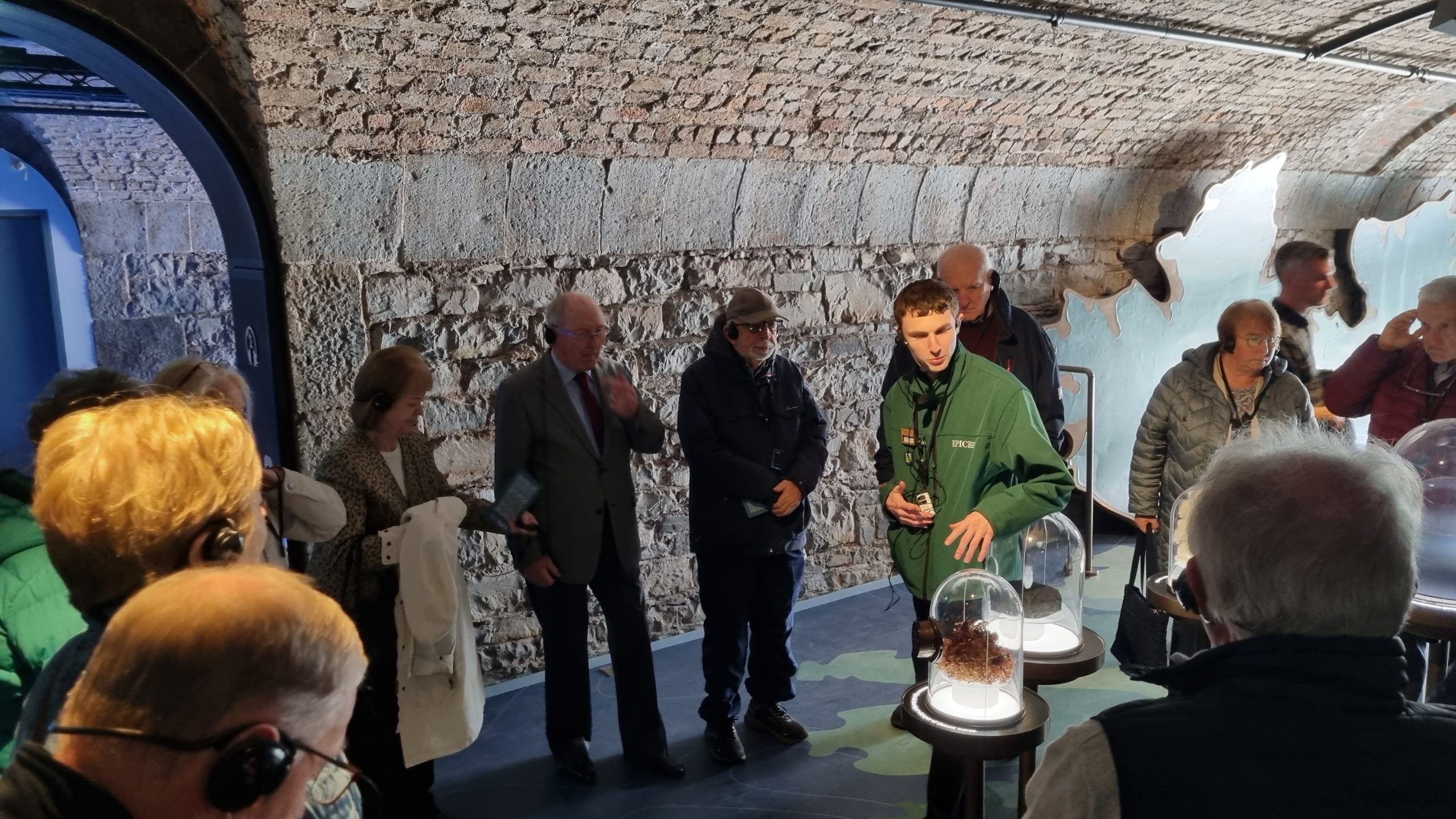
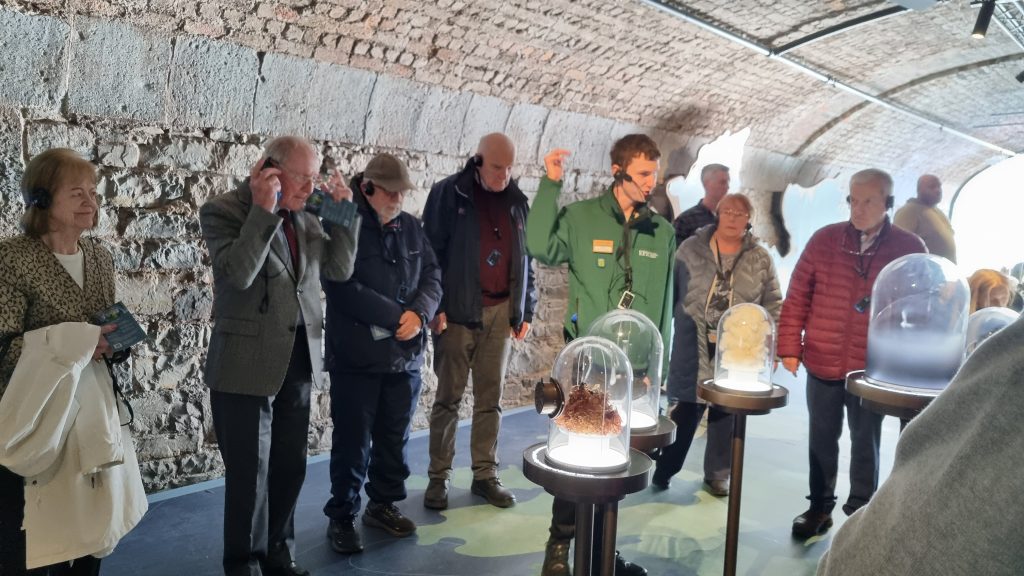
Next, we experienced a multi-sensory space highlighting the sights, sounds, and physical memories left behind by the emigrants who left Ireland.
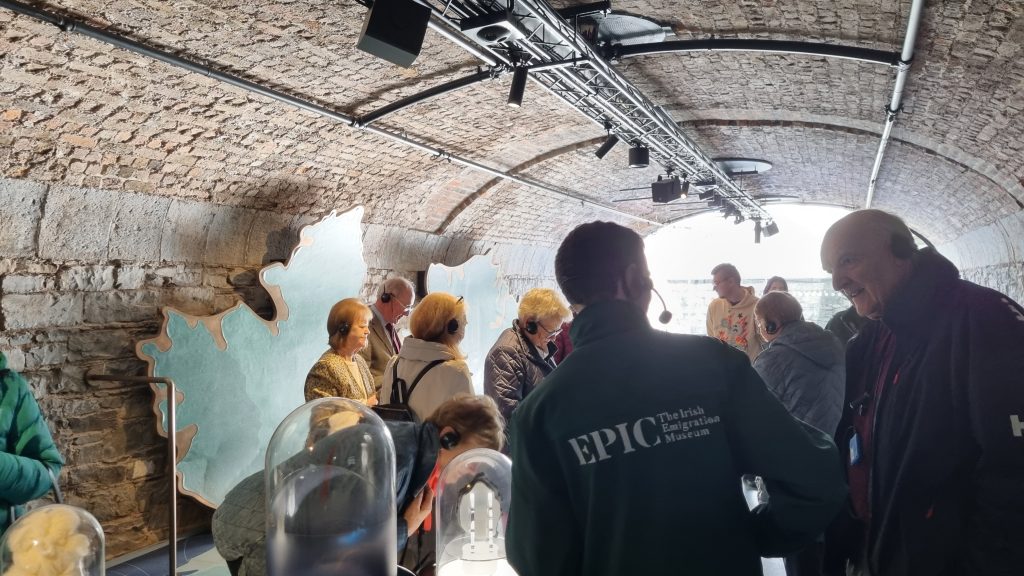
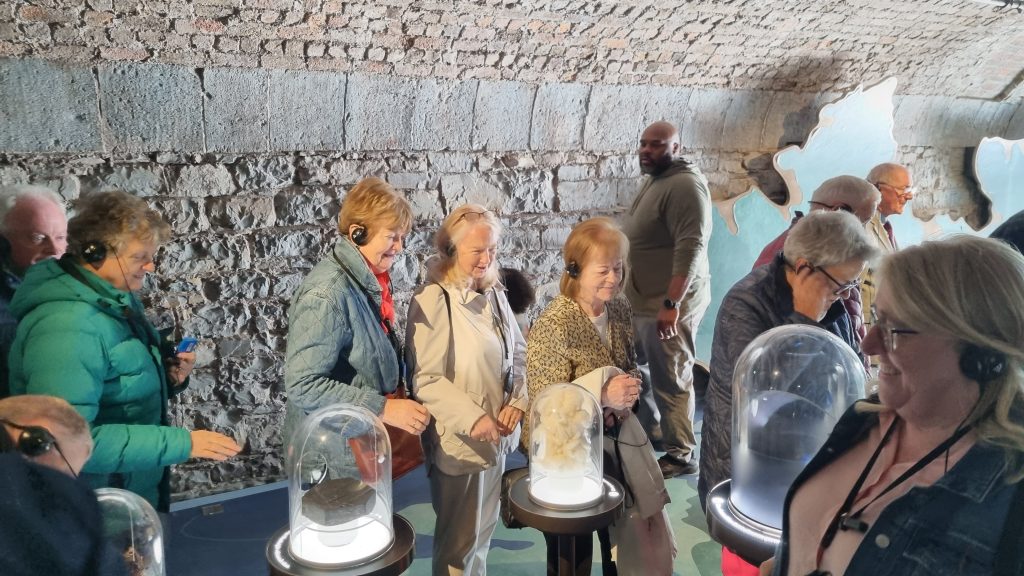
The Transportation Sculpture
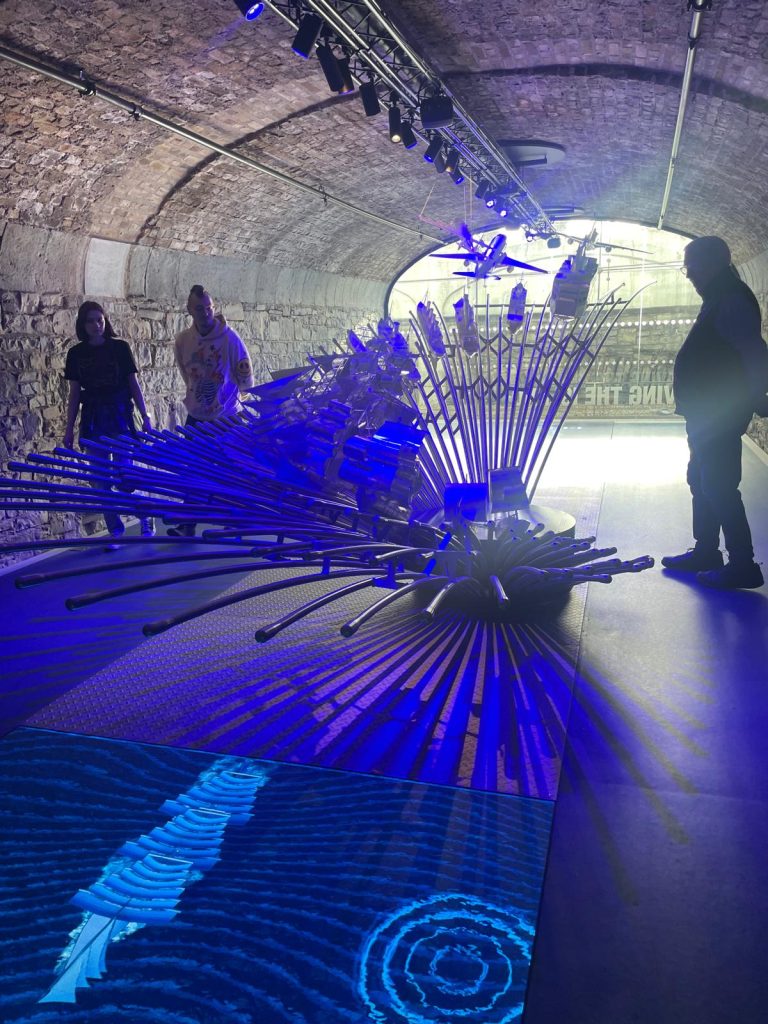
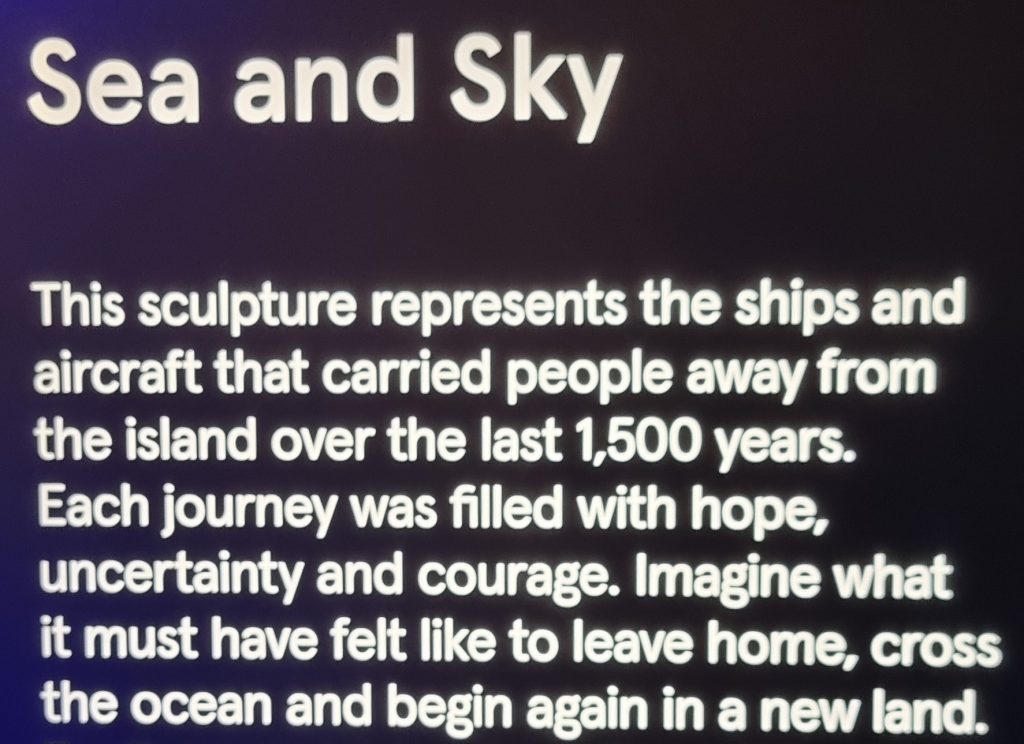
The overarching theme of the EPIC Museum galleries is “10 Million Journeys“. Within the Migration gallery the distinctive Transportation Sculpture is a representation of these journeys. This gallery captures the diverse forms of transit used by the millions of Irish emigrants from traditional sailing ships to modern commercial airplanes.
Theme 2: Motivation
Arriving in a New World – The next gallery rooms gave us an insight into the first steps and early experiences of settlers landing in unfamiliar countries.
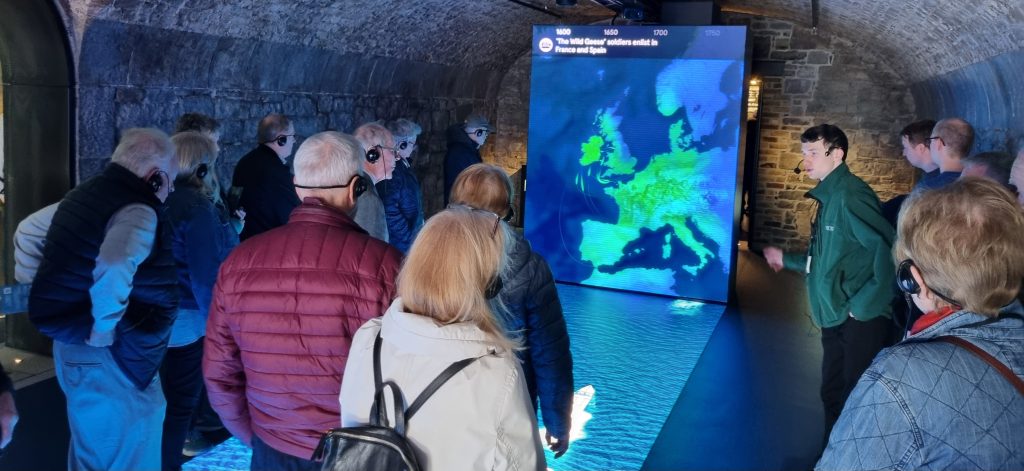
The Long Journey
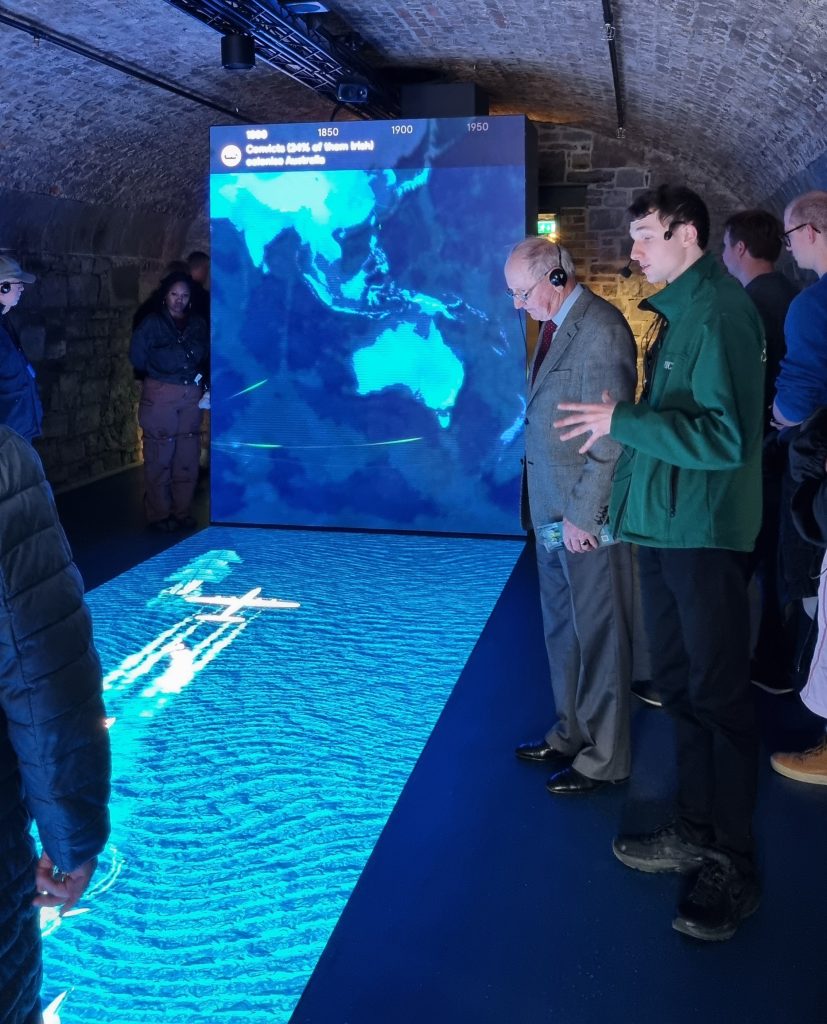
The trip from Britain typically took several months by sea, following routes that went past the Canary Islands, Rio de Janeiro, and the Cape of Good Hope before heading toward the southern coast of Australia. Conditions aboard overcrowded convict ships were cramped, unsanitary, and heavily rationed. Arriving in Van Diemen’s Land (now Tasmania) as a convict or settler meant stepping into an isolated, rugged landscape dominated by a harsh penal system, dense wilderness, and an atmosphere of strict control. Convicts underwent formal documentation, medical checks, and inspections by colonial authorities before being assigned their status.
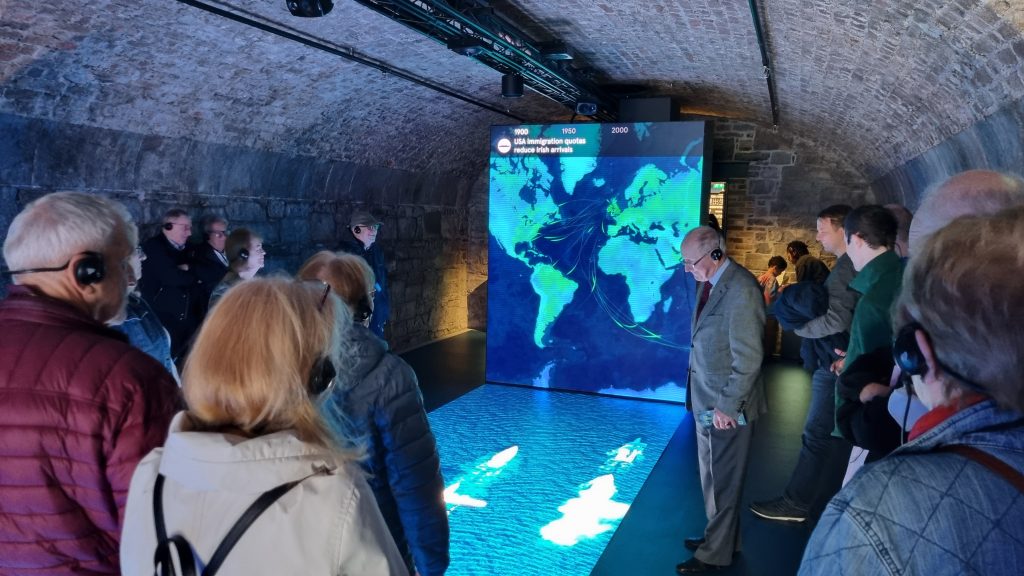
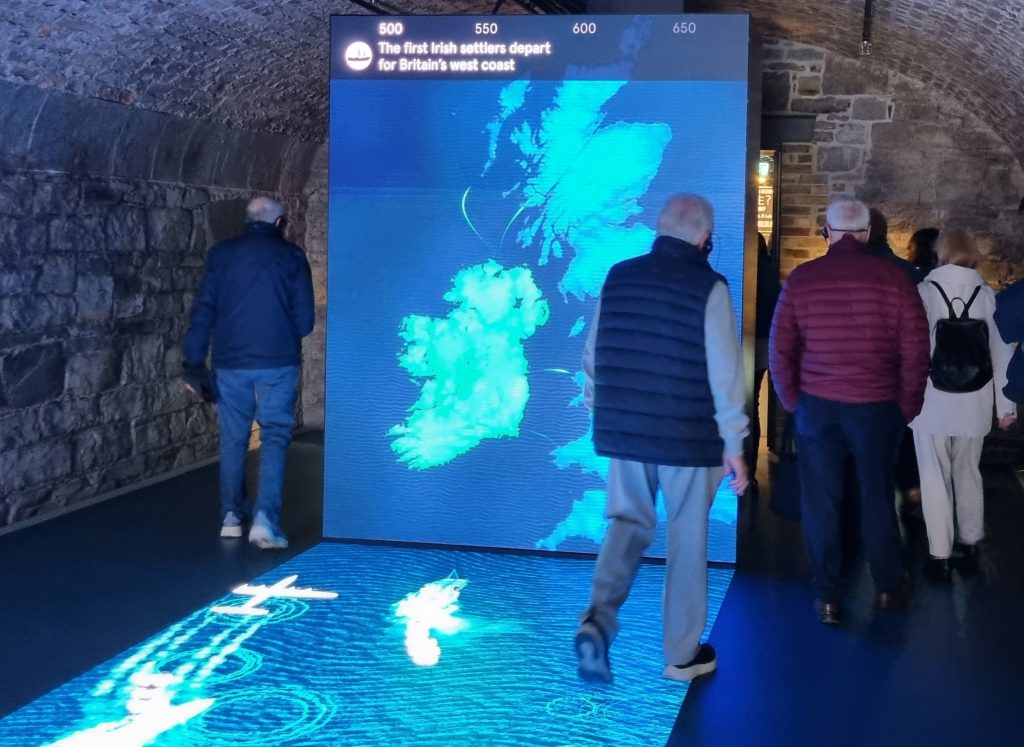
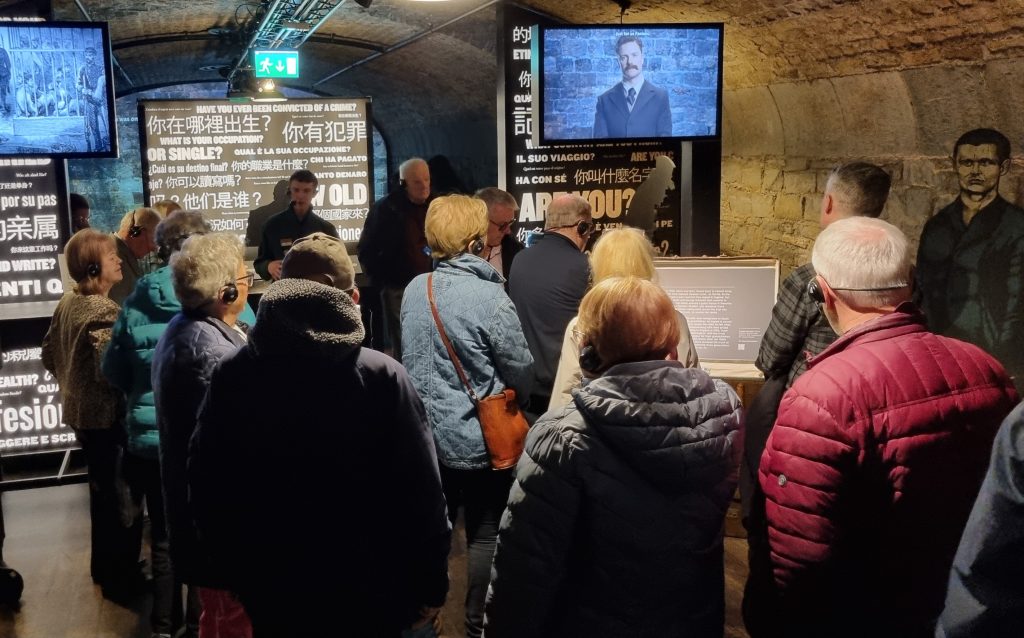
Famine & Hardship / Leaving Ireland – The subsequest interactive gallery examines the push factors such as the Great Famine, religious struggle, political displacement, and economic necessity.
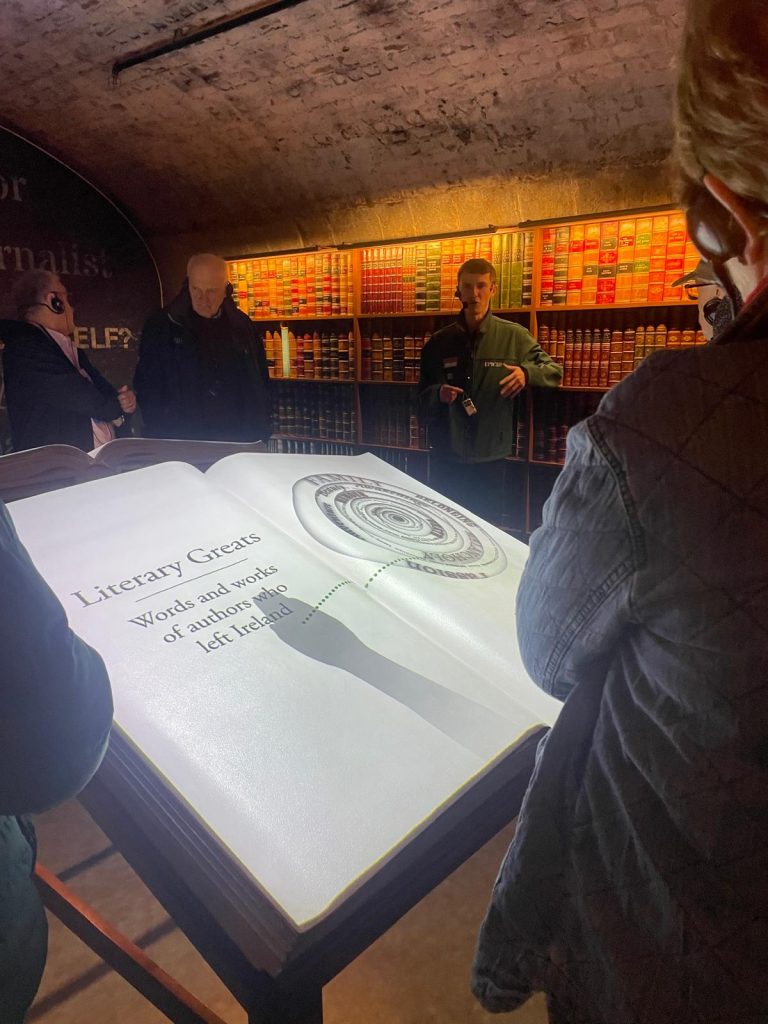
Literary Greats
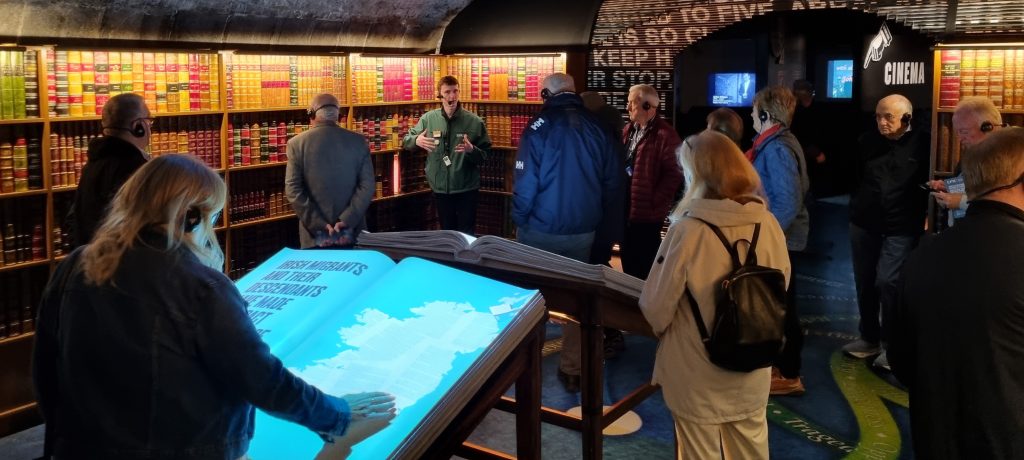
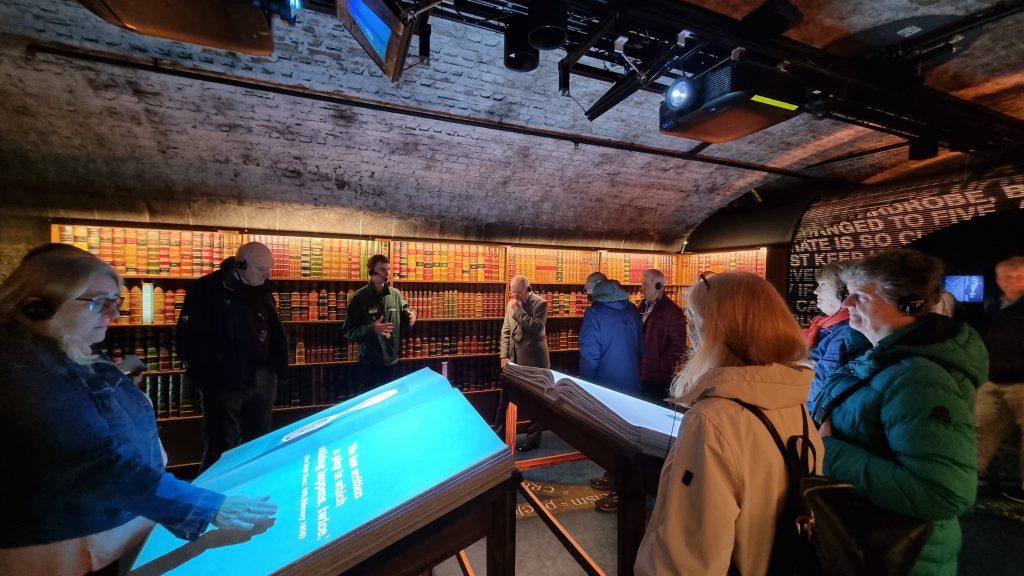
Interactive Books: The room features walls lined with colorful leatherbound and decorative books. While most are fixed in place, specific books can be gently pulled out from the shelf. For example, Maeve Binchy, one of Ireland’s best-loved and most successful authors, is featured. The museum profiles Irish people whose lives and work made an impact around the world. Mark, our guide mentioned a number of other featured authors from Irish literature and he highlighted their global impact through storytelling, imagination, and literary history. The following are among the diaspora-linked works he mentioned:
Ulysses by James Joyce; Gulliver’s Travels by Jonathan Swift; Dracula by Bram Stoker; The Country Girls by Edna O’Brien; The Chronicles of Narnia series by Belfast-born author C.S. Lewis
Theme 3: Influence
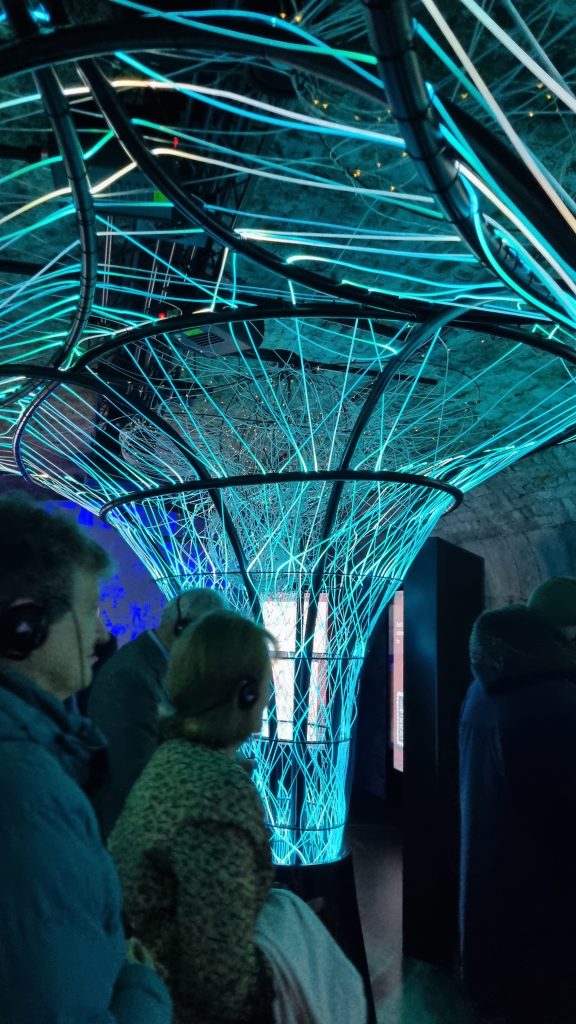
Discovering and Inventing
The influential Irish physicist John Tyndall demonstrated the foundational principle of fiber optics in 1854 (and later showcased it in 1870) by proving that light could bend along a curved path inside a stream of water through total internal reflection.
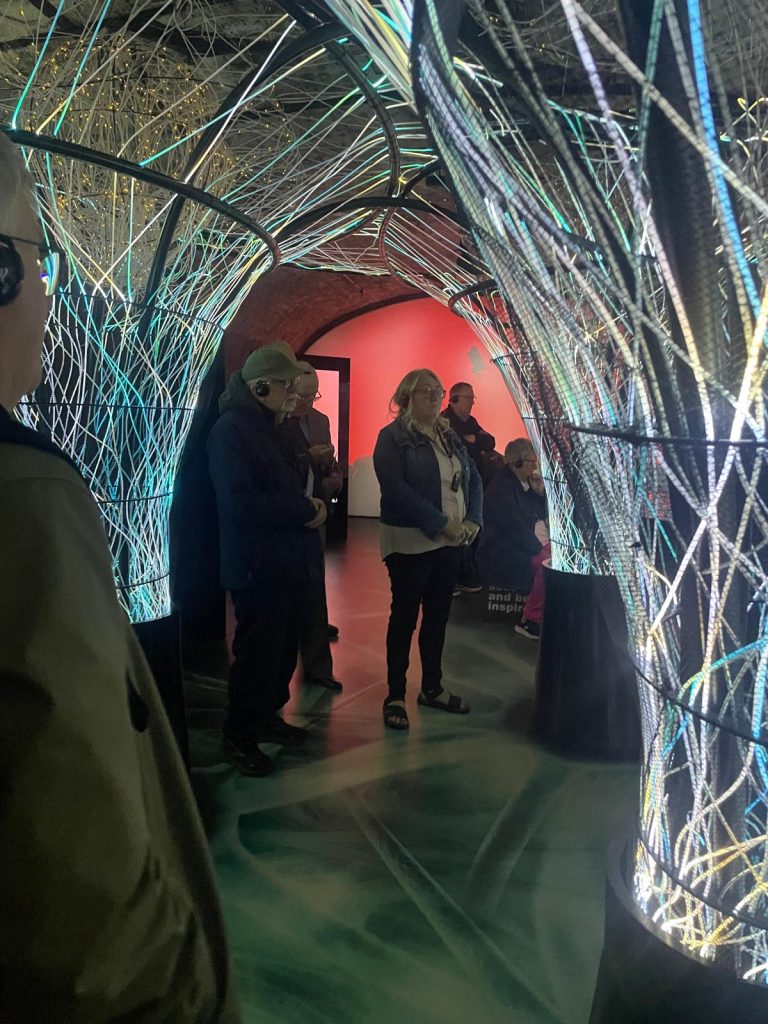
Tyndall used this concept to invent the “light pipe,” which laid the experimental groundwork for modern fiber optics and medical endoscopes. While Tyndall used water to guide the light, modern fiber optics replace water with flexible, high-purity glass or plastic fibers to transmit data and communication signals over long distances.
Theme 4: Diaspora Today
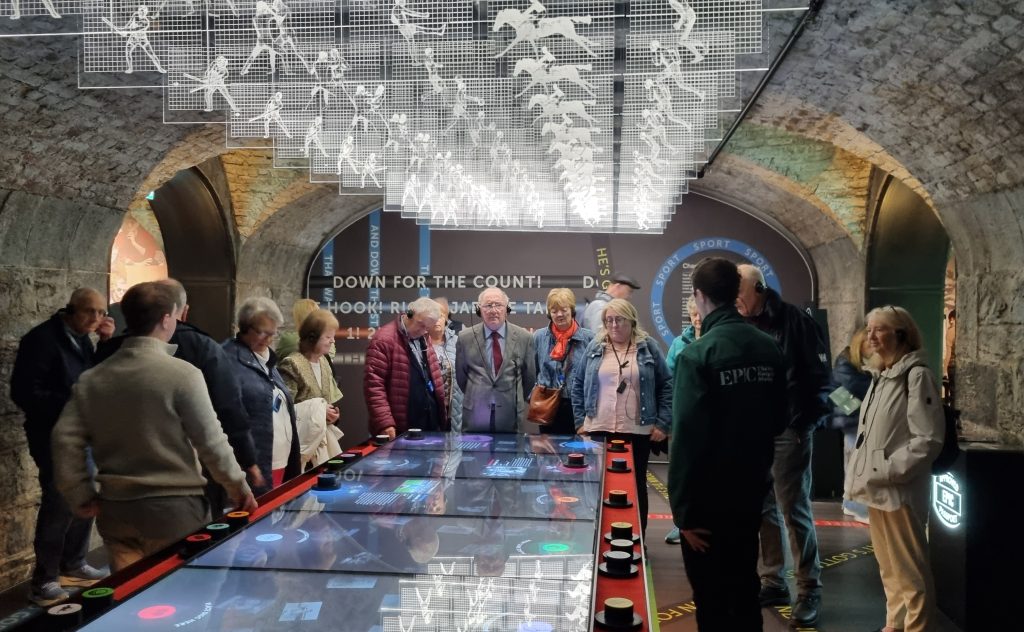
The EPIC Museum highlights the sporting contributions of Irish emigrants. One named sporting figure in the museum’s stories is Sarah “Fanny” Durack, an Irish-Australian swimmer who broke 12 world records. From 1910 until 1918 she was the world’s greatest female swimmer across all distances from freestyle sprints to the mile marathon. The museum features other sporting achievements and has a dedicated gallery highlighting Gaelic Games (GAA) and the global impact of Irish athletes—as part of its interactive exhibits. It reminds us that Irish sports and clubs have spread across the world (such as North America, Europe, and Australia).
Time for Refreshments
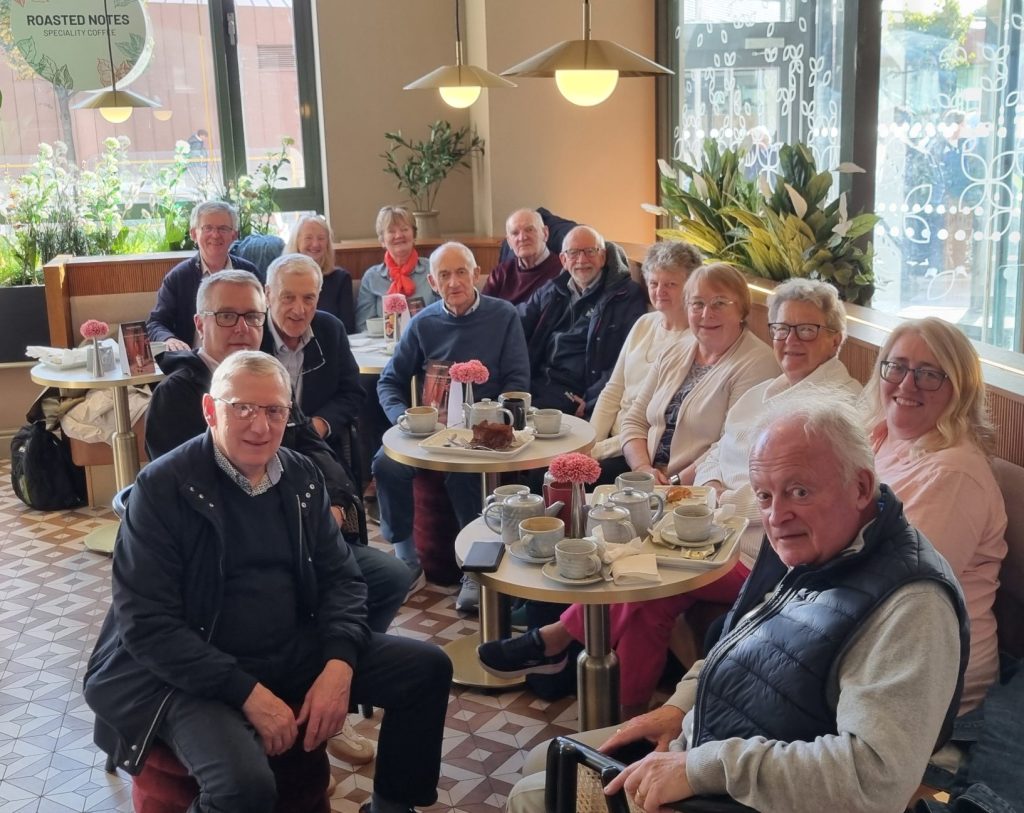
Following the intensive tour of the EPIC Museum, Association members enjoyed afternoon refreshments at the nearby riverside Hilton Garden Inn which is only a few minutes walk from the EPIC Museum. As usual friendships were renewed and the ensuing conversations were wide-rangng before it was time to take the LUAS from the Georges Dock stop towards the city centre – all the while everyone was looking forward to the next outing in December 2026.